
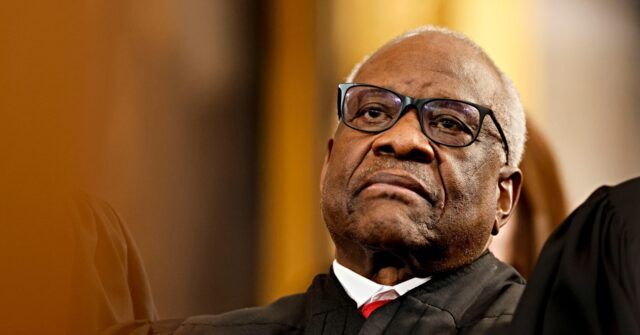
Congress has used the Commerce Clause as a catch-all to give themselves and the Alphabet Agencies the authority on just about anything. It will be interesting if this hits SCOTUS, as Thomas has written some blistering excoriations of that use.
On Monday, July 20, the U.S. Court of Appeals for the Fifth Circuit voted to go en banc to review the constitutionality of 18 U.S.C. § 922(g)(1)—the felon-in-possession prohibitor—under the Commerce Clause. The case could potentially have major ramifications for federal gun law. So far, the only successful appellate constitutional challenges to (g)(1) have been narrow, as-applied wins. Given the Fifth Circuit’s record in Second Amendment cases—and the fact that the en banc seems at least partially responsive to an invitation issued by Justice Thomas in Hemani—the case is worth watching closely. Panel Opinion
On June 2, a panel comprised of Judges Clement, Southwick and Engelhardt issued a unanimous opinion in United States v. Squire holding that 922(g)(1) is constitutional under the Second Amendment as applied to a person with drug trafficking convictions. In prior decisions, the Fifth Circuit has held that at least as applied to some felons, § 922(g)(1) might not pass scrutiny under Bruen. In Diaz, the Fifth Circuit wrote, “[s]imply classifying a crime as a felony does not meet the level of historical rigor required by Bruen and its progeny,” in part because “not all felons today would have been considered felons at the Founding.” But because Diaz had been convicted of theft, which “was a felony and thus would have led to capital punishment or estate forfeiture” his conviction under § 922(g)(1) was constitutional.
Here, Squire argued that 922(g)(1) was unconstitutional as-applied to him because it interfered with his right to possess a firearm in his home for self-defense. The panel noted, explaining Squire’s position:
The essence of his argument is that disarming a person inside his home is antithetical to our historical tradition, which Squire says protects, rather than prohibits, arms possession inside the home. His theory is that the “ancient right” of self-defense, which derives from natural law, has special legal status in English common law and American law, most notably in the “castle doctrine.”
The Court explained that, based on circuit precedent, felons are “unequivocally” part of “the People” covered by the Second Amendment. Interestingly, the Court does not quote language from Heller or Wolford, which explain that “the people” are “all members of the political community.” Of course, under most states’ laws, felons are disenfranchised and therefore not members of the political community.
The court then analyzed whether Squire’s predicate convictions for drug trafficking fall within the history and tradition of firearms regulation. Defendant argues that “the history of regulations on keeping arms (as distinguished from regulations on carrying) is scarce,” and that even those historical laws which made class-based restrictions (e.g., against Catholics), “provided an exception for keeping necessary arms for self-defense.”
The panel affirmed that Congress may enact class-based restrictions, but emphasized that courts “must not grant blanket deference” to legislators’ policy choices. “Complete deference to legislative line-drawing for class-based dangerousness distinctions would undermine our role, allowing Congress to ‘define away a fundamental right.’” Nevertheless, the court explained, historical tradition of firearms regulation permits Congress to constitutionally disarm dangerous classes of people.
In this case, the government drew on the history of disarming people deemed to be dangerous to the state—that is, British loyalists and religious minorities. According to the Fifth Circuit, non-violent marijuana users cannot be disarmed consistent with that historical tradition because “there was no historical evidence that such a user was ‘dangerous’ for reasons comparable to political dissidents or religious minorities.” By contrast, drug traffickers can be disarmed consistent with history and tradition because of the “intrinsic violence of the drug trade.”
Ultimately, the court concluded that Squire’s home-specific argument was without merit because historical restrictions imposed on “dangerous” people were not limited to public carry. In so holding, the court relied on 1700s laws disarming Native Americans, Blacks, and mixed-race people. It is interesting that the Fifth Circuit relied on those laws, considering Wolford’s rebuke of Black Code laws from the Reconstruction Era. There, the Supreme Court indicated that “tainted artifacts” such as Louisiana’s disarmament of Black people cannot serve as a valid historical analogue. In Squire, however, the Fifth Circuit found: “Granted, these repugnant laws classifying people as dangerous simply on the basis of their race or religion are wrong and unconstitutional under the Fourteenth Amendment. Nevertheless, these laws give us a glimpse into how early Americans understood their right to bear arms, how the legislature could determine classes of people to be dangerous, and the scope of their disarmament.”
The Fifth Circuit ended by noting that its “holding is narrow,” concluding “only that § 922(g)(1), as applied to a convicted drug trafficker possessing a firearm inside his home, is consistent with this Nation’s historical tradition of firearm regulation under Bruen.”
The court dispensed with the other challenges in a footnote, writing that Squire’s facial challenges under the Second Amendment and the Commerce Clause were foreclosed by prior circuit precedent. In 2013, the Fifth Circuit had reaffirmed a 1989 decision that 922(g)(1) is constitutional under Congress’s Commerce Clause authority. There, the Fifth Circuit joined the First Circuit in holding that “the words ‘affecting commerce’ are jurisdictional words of art, typically signalling [sic] a congressional intent to exercise its Commerce Clause power broadly, perhaps as far as the Constitution permits.” The court concluded that based on that jurisdictional statement, § 922(g)(1) “reaches only those firearms that traveled in interstate or foreign commerce and is thus constitutional.” En Banc Review cont'd
On Monday, July 20, the U.S. Court of Appeals for the Fifth Circuit voted to go en banc to review the constitutionality of 18 U.S.C. § 922(g)(1)—the felon-in-possession prohibitor—under the Commerce Clause. The case could potentially have major ramifications for federal gun law. So far, the only successful appellate constitutional challenges to (g)(1) have been narrow, as-applied wins. Given the Fifth Circuit’s record in Second Amendment cases—and the fact that the en banc seems at least partially responsive to an invitation issued by Justice Thomas in Hemani—the case is worth watching closely. Panel Opinion
On June 2, a panel comprised of Judges Clement, Southwick and Engelhardt issued a unanimous opinion in United States v. Squire holding that 922(g)(1) is constitutional under the Second Amendment as applied to a person with drug trafficking convictions. In prior decisions, the Fifth Circuit has held that at least as applied to some felons, § 922(g)(1) might not pass scrutiny under Bruen. In Diaz, the Fifth Circuit wrote, “[s]imply classifying a crime as a felony does not meet the level of historical rigor required by Bruen and its progeny,” in part because “not all felons today would have been considered felons at the Founding.” But because Diaz had been convicted of theft, which “was a felony and thus would have led to capital punishment or estate forfeiture” his conviction under § 922(g)(1) was constitutional.
Here, Squire argued that 922(g)(1) was unconstitutional as-applied to him because it interfered with his right to possess a firearm in his home for self-defense. The panel noted, explaining Squire’s position:
The essence of his argument is that disarming a person inside his home is antithetical to our historical tradition, which Squire says protects, rather than prohibits, arms possession inside the home. His theory is that the “ancient right” of self-defense, which derives from natural law, has special legal status in English common law and American law, most notably in the “castle doctrine.”
The Court explained that, based on circuit precedent, felons are “unequivocally” part of “the People” covered by the Second Amendment. Interestingly, the Court does not quote language from Heller or Wolford, which explain that “the people” are “all members of the political community.” Of course, under most states’ laws, felons are disenfranchised and therefore not members of the political community.
The court then analyzed whether Squire’s predicate convictions for drug trafficking fall within the history and tradition of firearms regulation. Defendant argues that “the history of regulations on keeping arms (as distinguished from regulations on carrying) is scarce,” and that even those historical laws which made class-based restrictions (e.g., against Catholics), “provided an exception for keeping necessary arms for self-defense.”
The panel affirmed that Congress may enact class-based restrictions, but emphasized that courts “must not grant blanket deference” to legislators’ policy choices. “Complete deference to legislative line-drawing for class-based dangerousness distinctions would undermine our role, allowing Congress to ‘define away a fundamental right.’” Nevertheless, the court explained, historical tradition of firearms regulation permits Congress to constitutionally disarm dangerous classes of people.
In this case, the government drew on the history of disarming people deemed to be dangerous to the state—that is, British loyalists and religious minorities. According to the Fifth Circuit, non-violent marijuana users cannot be disarmed consistent with that historical tradition because “there was no historical evidence that such a user was ‘dangerous’ for reasons comparable to political dissidents or religious minorities.” By contrast, drug traffickers can be disarmed consistent with history and tradition because of the “intrinsic violence of the drug trade.”
Ultimately, the court concluded that Squire’s home-specific argument was without merit because historical restrictions imposed on “dangerous” people were not limited to public carry. In so holding, the court relied on 1700s laws disarming Native Americans, Blacks, and mixed-race people. It is interesting that the Fifth Circuit relied on those laws, considering Wolford’s rebuke of Black Code laws from the Reconstruction Era. There, the Supreme Court indicated that “tainted artifacts” such as Louisiana’s disarmament of Black people cannot serve as a valid historical analogue. In Squire, however, the Fifth Circuit found: “Granted, these repugnant laws classifying people as dangerous simply on the basis of their race or religion are wrong and unconstitutional under the Fourteenth Amendment. Nevertheless, these laws give us a glimpse into how early Americans understood their right to bear arms, how the legislature could determine classes of people to be dangerous, and the scope of their disarmament.”
The Fifth Circuit ended by noting that its “holding is narrow,” concluding “only that § 922(g)(1), as applied to a convicted drug trafficker possessing a firearm inside his home, is consistent with this Nation’s historical tradition of firearm regulation under Bruen.”
The court dispensed with the other challenges in a footnote, writing that Squire’s facial challenges under the Second Amendment and the Commerce Clause were foreclosed by prior circuit precedent. In 2013, the Fifth Circuit had reaffirmed a 1989 decision that 922(g)(1) is constitutional under Congress’s Commerce Clause authority. There, the Fifth Circuit joined the First Circuit in holding that “the words ‘affecting commerce’ are jurisdictional words of art, typically signalling [sic] a congressional intent to exercise its Commerce Clause power broadly, perhaps as far as the Constitution permits.” The court concluded that based on that jurisdictional statement, § 922(g)(1) “reaches only those firearms that traveled in interstate or foreign commerce and is thus constitutional.” En Banc Review cont'd

Comment